
It is the link between an individual’s thoughts, attitudes, their physical health and physiological reactions. The body maintains physical health and functionality whilst the mind houses the inner spirit and motivation to function. The belief is that the this strong interrelation between our physical health and our mental health is responsible for overall wellbeing. Any illness, discomfort, or dysregulation is a result of an imbalance across the two and/or a deficit in one or the other.
Mental states can be fully conscious or unconscious. Through our lifetime, we have emotional reactions to situations even without being aware of why. Research suggests that our perceptions, thoughts, and beliefs directly influence the functionality of our bodily systems like immunity, cardiovascular health, and the balance of hormones. Each mental state has a physiology associated with it—a positive or negative effect felt in the physical body and is indicative of an inextricable relationship between body and mind.
The Biopsychosocial Paradigm
The mind has the propensity to conjure thoughts that can impact the emotional and physical state. The mind-body connection becomes problematic from the lack of specificity exercised by the nervous system. Oftentimes, when confronted with difficult emotions, the individual adopts maladaptive ways like self-medicating or practicing denial as means to cope with undesirable feelings. The nervous system triggers what is commonly referred to as the fight or flight response.
One major finding around the mind-body connection is how communication occurs via chemical and physical messengers. Hormones and neurotransmitters work in tandem to carry messages through the body communicating with all cells.
Research to Support the Paradigm
Research from neuroscience, psychology, and psychoneuroimmunology have drawn light on the tangible links between our thoughts, emotions, and bodily functions. It is now scientifically established that while the brain acts as the command centre for the nervous system, it communicates to carious organs and impacting everything from heart rate and hormone production to immune response and inflammation. The release of neurotransmitters and neuropeptides in response to our emotional and psychological states exert influence on our physiological state.
Researchers, within the biopsychosocial model, have identified 2 specific neural networks in the cerebral cortex. The hypothalamic pituitary adrenocortical (HPA) & sympathoadrenomedullary (SAM) axes are critical in recognizing and managing stress (Lutgendorf & Costanzo, 2003). The primary goal for the axes is homeostasis, maintaining a state of balance between mind and body. Chronic exposure to stress causes an imbalance in the system and produces adverse effects on the physical and mental health. The resultant change could impact bodily changes (quality of sleep, appetite, and a general sense of well-being) as a manifestation of mental health symptoms (depression, anxiety, altered state of mind).
Polyvagal theory enumerates different mechanisms of neural regulation and their related behaviors when perceiving a threat, involving the brain cortex, immune response, hypothalamic-pituitary-adrenal, and gut-brain axes (Porges, 2001). When activated a chain reaction ensues often referred to as the Defense Cascade. Typically the body responds to the perceived threat in one of the following possible ways (Kozlowska, Walker, McLean, & Carrive, 2015):
- Arousal through either engagement or disengagement with the environment as a regulation to cardiac response upon perceiving a threat
- Fight-or-flight response through inhibition of the vagus nerve and the sympathetic nervous system’s activation. It has one of two -increased metabolic activity to mobilize the body to either escape or confront the threat.
- Freeze response is when the vagus nerve is stimulated by a perceived threat, the metabolic activity drops into a freeze.
- Tonic immobility is elicited when the individual believes none of the above responses will work as a response to the threat and results in a loss of ability to move
- Collapsed Immobility where muscle tone is lost and consciousness is compromised physiologically causing hypoxia
- Quiescent immobility is when the parasympathetic system overrides and metabolic activity drops dramatically for the body to rest and heal after a threat desists going into a state of quiescence.
Symptoms of Mind-body Imbalance

Recognizing the imbalance in this system is critical to the healing process. The way each body depicts the imbalance varies and could present itself in the following ways:
Physical Symptoms
These are witnessed as persistent and unexplained physical symptoms are often experienced in the form of muscle tension, chronic headaches, gastrointestinal disturbances, sleep disruptions, fatigue/low energy, weight fluctuation, and high blood pressure
Emotional and Mental Symptoms
When your mind and body are not in sync, this will translate into emotional and mental disturbances that impede everyday functioning. These could translate into mood disruptions, anxiety, unpredictable depressive states, difficulty managing stress and adapting to the current situation, poor focus, decision paralysis and avoidance of social engagement. It can also have a direct impact on balancing relationships.
To be the person who we long to be—we must be vulnerable. We must take off the armour, put down the weapons, show up, and let ourselves be seen.
— Brené Brown
Wellbeing through the Mind-body Connect
With growing evidence of mind-body integration in psychology it becomes imperative that individual wellbeing through monitoring mental and physical health is integrated into therapeutic protocols. Each emotion we experience has a different representation within the body. Interoception/bodily awareness is important to build through understanding yourself and your emotions. Rather than storing them in your body, learning to process your emotions through healthy release will go a long way in overall wellbeing. There are several practices that can help reconnect body and mind, improve self-awareness, modulate stress and promote emotional health.
Science has validated the benefits of practices such as mindfulness, meditation, yoga, CBT, Integrative nutrition, Guided Imagery etc., to alleviate mental health symptoms and enhance the body’s immune response (D’Silva et al. 2012). Specific techniques as supported by research backing are listed below.
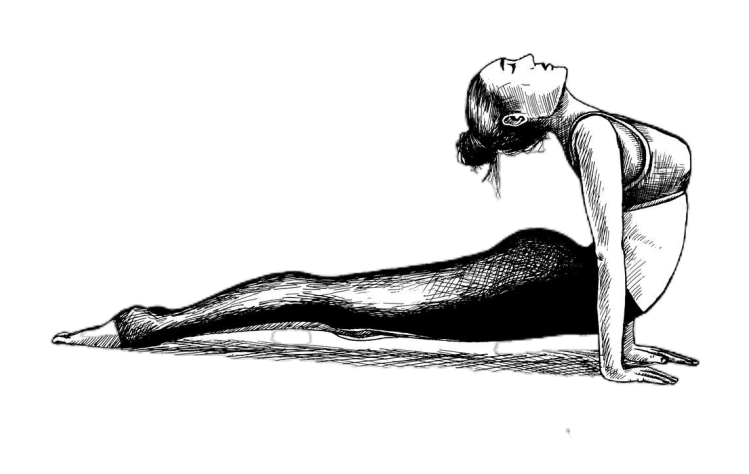
Yoga, T’ai Chi, Qigong are physical practices that focus on using controlled body movements to draw attention to the internal experience of the present. In studies on depression have found yoga-based interventions to decrease symptoms of depression and anxiety through decrease in decrease in stress-related hormones (adrenocorticotropic hormone, cortisol), and improved sleep quality. An overall improvement in quality of life has been recorded (Baer 2013).

Meditation helps us attune inwards, focusing on our thoughts and feelings as they arise in the moment. As a tool it increases our capacity to regulate our emotions and gain self–awareness.
Mindfulness meditation is when we bring awareness and attention to ongoing sensory, cognitive, and emotional experience without elaborating or judging any part of that experience. (Kabat 2005).

Mindfulness-Based Stress Reduction helps lower stress by calming the body’s ‘fight’ response (sympathetic nervous system activation) and promoting rest and relaxation (Marie & Talebkhah, 2018). It is a structured program that combines mindfulness meditation, yoga and body awareness.

Acupuncture based Energy Freedom Technique (EFT) is a therapeutic approach tapping specific acupuncture points on their body while concentrating on particular emotions or thoughts. EFT has specifically shown to be effective in reducing symptoms of anxiety, working through trauma, and improving biological functioning (Lemon & Wagner, 2013). The focus is to alleviate emotional distress, diminish negative feelings, and enhance overall well-being.

Breathing Techniques that employ taking slow, intentional, and controlled breaths help to manage stress, improve focus, and promote overall well-being.

Progressive Muscle Relaxation involves systematically contracting and relaxing various muscle groups throughout the body to induce physical relaxation and alleviate stress through whole body communication.

Guided imagery is similar to meditation, in that it requires you to close your eyes and visualize yourself in a real or imagined place that will bring you calm, joy, happiness, and relaxation. It helps ground an overstimulated/overwhelmed mind with positive feedback.

Artistic Expression through activities like journaling, painting, and writing, creating music, promote self-expression and the creativity builds on self-worth.

Integrative/functional Nutrition as an approach combines conventional principles of nutrition with a deeper understanding of individual body needs. It accounts for the food intake along with how the body absorbs and utilizes these nutrients. It works to improve the gut-brain connection through food.
Mind-body Psychotherapy
Mind–body Therapy is an umbrella term for therapeutic approaches that are holistic – integrating physical and psychological elements. Several research studies, as mentioned above have shown that this integration brings about a more holistic change within an individual focus on better overall wellbeing in comparison to previous strategies that focussed only on the psychological wellbeing.
Numerous studies in neuroimaging and neurophysiology have examined the connections and pathways between emotions and thoughts (Muehsam et al., 2017) establishing that this connect should not be ignored within the therapeutic framework. Therapists who have a holistic approach would use one of two ways in approaching the balance:
Top-down interventions which work outer to inner, i.e., where strategies focus on thoughts and emotions (like meditation or mindfulness). The corresponding neurological actions modify and regulate the endocrine and nervous system thereby bringing about targeted internal changes in the body.
Bottom-up interventions modulate the nervous, immune, and endocrine systems with resultant changes in psychological states. They combine breathing and physical movements such as in yoga, tai chi, and qigong and work external to internal.
Which approach is best suited for a client depends on the presenting mental health challenges, logistics and several other determinants.
“Quantum healing moves away from external, high-technology methods toward the deepest core of the mind-body system. This core is where healing begins. To go there and learn to promote the healing response, you must get past all the grosser levels of the body—cells, tissues, organs, and systems—and arrive at the junction point between mind and matter, the point where consciousness actually starts to have an effect.”
― Deepak Chopra, Quantum Healing (Revised and Updated): Exploring the Frontiers of Mind/Body Medicine
 Quantum Change